 Steelers Now
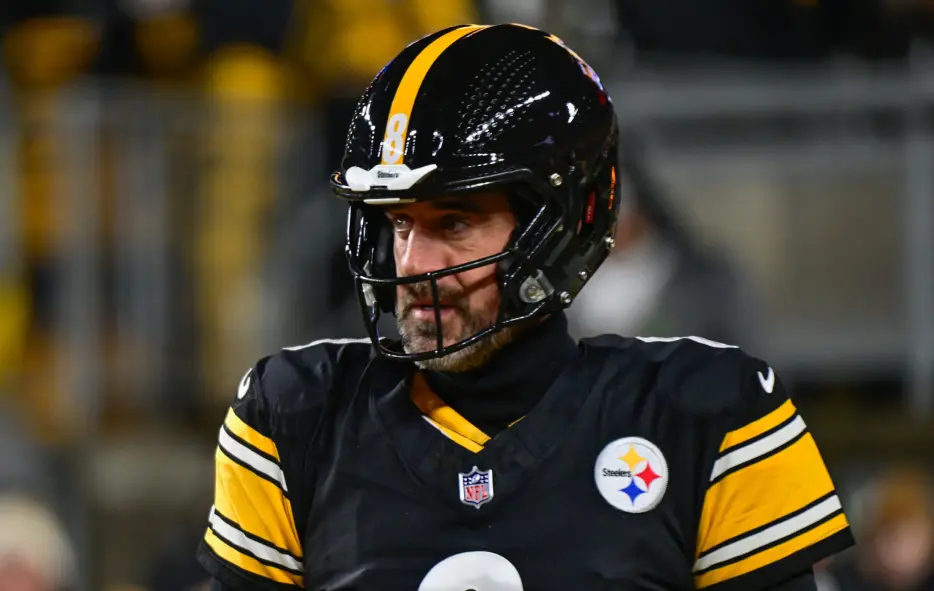
Aaron Rodgers is officially the Pittsburgh Steelers’ quarterback for the 2026 season, and the move was hardly surprising.
After all, Rodgers is a future Hall of Famer, a four-time NFL MVP, and one of the greatest quarterbacks to ever play the position. Even at 42 years old, there is value in a quarterback who has seen every coverage, played in every situation, and understands how to operate an NFL offense at a high level. But as the dust settles, it’s fair to wonder whether Pittsburgh once again chose the safer option over the potentially more rewarding one.
The most fascinating comparison isn’t another veteran quarterback. It’s Malik Willis. At first glance, the comparison sounds ridiculous. Rodgers is one of the most accomplished quarterbacks in NFL history. Willis was nearly written off as a bust just a few years ago. Yet when looking at where both players stand entering 2026, the conversation becomes much more interesting than many Steelers fans might expect.
The first thing that stands out is the money. Rodgers signed a one-year deal worth roughly $22 million. Willis signed a three-year contract with the Miami Dolphins that averages roughly $22.5 million annually. In other words, the Steelers and Dolphins are committing nearly identical money to two completely different quarterback situations. One is a 42-year-old quarterback likely entering the final chapter of his career. The other is a 26-year-old quarterback whose best football may still be ahead of him.
That difference matters because no matter how well Rodgers plays in 2026, he is a short-term solution. Even in a best-case scenario, Pittsburgh will likely enter next offseason asking the same question it has been trying to answer since Ben Roethlisberger retired: who is the quarterback of the future? Willis at least offered the possibility of being that answer.
To understand why, it’s important to understand how he got here. Coming out of Liberty, Willis was viewed as one of the most physically gifted quarterbacks in the 2022 NFL Draft. Scouts loved his arm talent, athleticism, and ability to create outside of structure. The concerns centered around his processing, consistency, and overall refinement as a passer. Those concerns looked justified during his time in Tennessee. Across two seasons with the Titans, Willis completed just 53 percent of his passes, threw zero touchdowns against three interceptions, and frequently looked overwhelmed by NFL defenses. By the time Tennessee traded him to Green Bay for a seventh-round pick, most around the league had already labeled him a failed experiment.
Then everything changed. Instead of being thrown into the fire, Willis landed with Matt LaFleur and one of the NFL’s best developmental environments. He was allowed to sit, learn, and develop rather than being asked to immediately save a franchise. When Jordan Love missed time, Willis got his opportunity and made the most of it.
The results were eye-opening. Willis completed over 74 percent of his passes, posted a 124.8 passer rating, averaged more than 10 yards per attempt, and didn’t throw a single...