 Turf Show Times
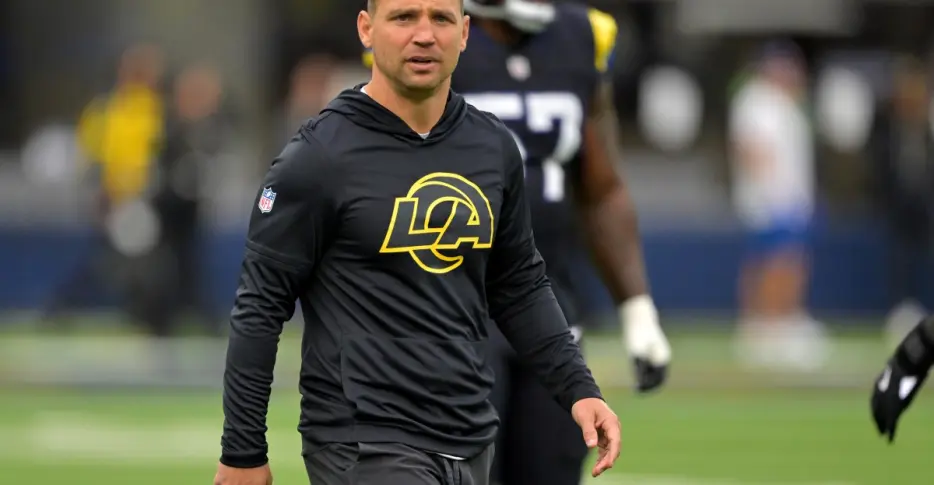
The NFL is always searching for the next great head coach, and every season creates a new group of coordinators who begin appearing on shortlists across the league. For the Los Angeles Rams, one name quietly building that momentum is Chris Shula.
Shula’s rise has been steady rather than flashy. A longtime assistant under Sean McVay, he climbed through multiple roles before becoming defensive coordinator and helping oversee a Rams defense that often exceeded expectations. That alone makes him an intriguing candidate whenever head coaching openings emerge.
But as with any coordinator making the jump, the résumé has arguments on both sides.
Whether fair or not, affiliation matters in NFL hiring cycles.
Being connected to Sean McVay immediately places coaches under a brighter spotlight because of the success that followed his coaching tree. Teams continue to chase versions of the Rams’ culture: strong communication, adaptability, player relationships, and organizational alignment.
Shula has spent years inside that environment learning not only scheme, but also how McVay structures meetings, delegates responsibilities, and manages personalities. Teams searching for culture builders may view Shula as someone prepared beyond simply calling defensive plays.
While offensive minds often receive the headlines, defensive coaches with exposure to elite offensive environments can sometimes arrive more complete as CEO-style head coaches.
One of the strongest points in Shula’s favor is what the Rams accomplished without overwhelming financial investment on defense.
During the transition away from expensive veteran-heavy rosters, Los Angeles relied heavily on rookies, late-round picks, and developing contributors. Rather than collapsing during that reset, the defense remained competitive and helped keep the Rams in playoff contention.
That matters.
Many head coaching candidates inherit imperfect rosters. Demonstrating an ability to maximize affordable talent is often more valuable than coordinating an all-star unit.
If ownership groups believe Shula can build competitive defenses without requiring premium spending, that creates long-term appeal.
Perhaps Shula’s most convincing argument is player development.
The Rams have increasingly leaned into youth, and defensive growth became one of the organization’s defining themes. Young players were asked to contribute immediately and, in many cases, improved rapidly.
Head coaching interviews frequently focus less on scheme and more on infrastructure: How do you develop players? How do you create growth? How do you maintain standards?
Shula’s recent work gives him examples to point toward. Just look at the success of Kobie Turner, Braden Fiske, Tyler Davis, Josiah Stewart, Kam Curl, Kam Kinchens, Nate Landman, and bargain finds like Akhello Witherspoon.
Unlike some fast-rising coordinators who specialize in one area, Shula’s background spans nearly every level of defense.
His experience includes coaching:
That range could matter significantly.
Head coaches rarely coach technique every day—they manage specialists. Having firsthand understanding of multiple position groups may...