 Pats Pulpit
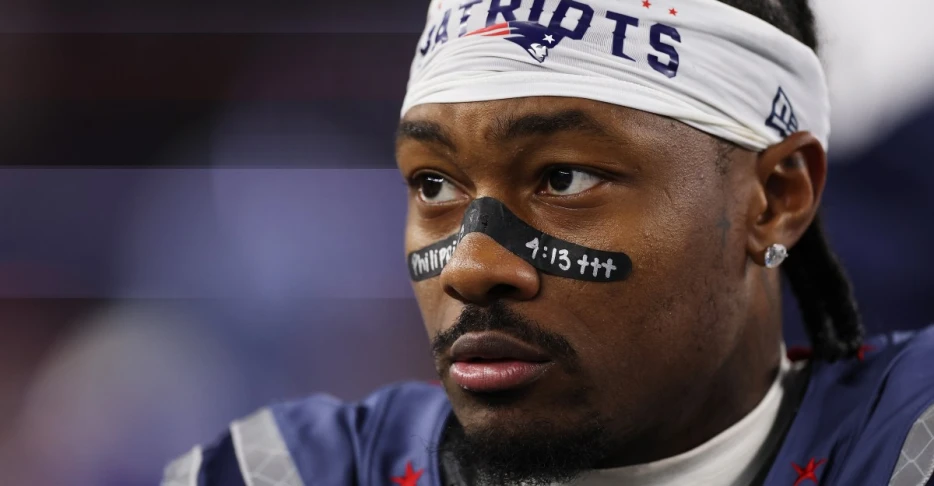
The optimism surrounding the New England Patriots in light of their recent success, including qualifying for the playoffs and winning the AFC East, came to a screeching halt on Tuesday. Wide receiver Stefon Diggs, one of the team’s most important contributors this season, is facing criminal charges stemming from an alleged incident earlier this month.
Those charges include felony strangulation or suffocation as well as misdemeanor assault and battery, according to legal filings. His attorney virtually appeared in Dedham District Court on Tuesday, denying the allegations on his client’s behalf.
With that appearance in the rear-view mirror, all is quiet again on the Diggs front. For how long? And what comes next for the veteran wideout? Let’s assess the outlook from two different angles.
Following Tuesday’s hearing, Diggs already knows his next court date. An arraignment is scheduled for Friday, Jan. 23, two days before the date of the AFC Championship Game.
What happens at the arraignment? Typically, the charges are read and the defendant — in this case Diggs — asked whether he considers himself guilty or not. Given that he has denied the allegations, the expectation is that he would plead “not guilty” to the charges presented.
From there, the legal system would run its course. How long any prosecution would take from that point on is impossible to tell; multiple weeks or even months is not out of the realm of possibility.
Of course, the process could be altered by any agreements being reached between the parties involved. As one of Diggs’ attorneys said, they could reach a financial settlement in exchange for civil claims against him being let go. That might not per se prevent potential prosecution, but it might help impact the case in Diggs’ favor.
Independently from that, his attorneys could also try to motion for continuance. If the Patriots reach the AFC title game, they might argue that moving the court date back from Jan. 23 would be in their client’s best professional interest.
Unlike the legal system, the NFL has a different threshold to consider discipline against Diggs under its personal conduct policy. In it, the league states that players are required to keep themselves out of conduct considered “irresponsible” or “dangerous.” Whether the alleged actions at the base of this current ordeal fall into that category will be judged by league commissioner Roger Goodell.
If Goodell finds that Diggs acted in violation of the policy, he could act accordingly even without any criminal charges being filed or convictions having taken place. In that case, New England’s leading receiver could be subject to a league investigation and/or being placed on the commissioner’s exempt list.
Through the years, the Patriots have become familiar with both. League investigations into the team and its workings resulted in massive — and it can be argued disproportional — fines in the aftermath of the Spygate and Deflategate affairs in 2007 and 2015, respectively. The commissioner’s exempt list, meanwhile, became relevant last...