 ClutchPoints
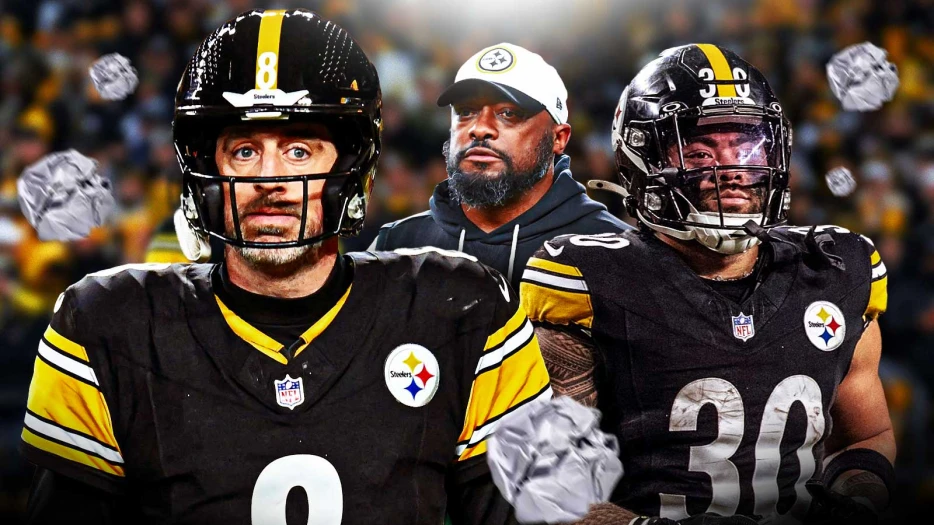
At some point, playoff failures stop being about matchups or bad luck. When it happens too often, these losses start becoming about identity. That’s where the Pittsburgh Steelers now find themselves. Monday night’s lifeless Wild Card loss to the Houston Texans wasn’t just another early exit. The defeat confirmed that Pittsburgh were certainly not legitimate Super Bowl threats. This was a franchise with championship standards reduced to hoping its defense could drag an offense across the finish line. Against a disciplined, fast, and ruthless Texans team, that illusion finally shattered.
The Steelers’ season ended with a resounding 30-6 home defeat that extended the franchise’s playoff losing streak to seven games. Pittsburgh’s defense did everything it could early. They forced three turnovers and repeatedly gave the offense short fields. The reward? Two field goals. No touchdowns. Just 175 total yards of offense. The game officially broke open in the fourth quarter when Texans defensive lineman Sheldon Rankins scooped up an Aaron Rodgers fumble and returned it 33 yards for a touchdown. From there, it turned into a rout. Houston walked away, Pittsburgh trudged off, and the same questions echoed once again.
Here we’ll try to look at and discuss the Steelers most to blame for their Wild Card loss to the Texans.
If this were Rodgers’ final NFL game, it was a brutal way to go out. He finished 17-of-33 for 146 yards with no touchdowns, one interception, and two fumbles. One was directly turned into a Texans touchdown. He was sacked four times and pressured relentlessly by a Houston front that never let him settle. This wasn’t just about age or arm strength. It was more so about rhythm, timing, and decisiveness. None of those materialized.
The fourth quarter was especially damning. A strip sack that led to Rankins’ touchdown drained what little life Pittsburgh had left. Moments later, Rodgers threw an interception that felt like painful resignation. Credit Houston’s defense, though. They were outstanding. However, the Steelers needed more from their quarterback in the biggest game of the season. They just didn’t get it.
Rodgers’ regular season was solid. He was efficient and respectable. January, though, is where legacies are judged. This performance only deepened the narrative that Pittsburgh’s quarterback gamble was always about survival, not contention.
DK Metcalf returned from suspension and flashed early. He reminded everyone why Pittsburgh went all-in on his physical presence. Sadly, that flash never turned into fire.
Metcalf had a costly drop on a drive that could have extended an early Steelers lead. Those are the moments playoff games hinge on. In the second half, he couldn’t haul in a difficult but catchable sliding grab when Pittsburgh desperately needed a spark.
Strangely enough, he disappeared from the game plan. Metcalf went two full quarters without a target. In a must-win playoff game. That’s unacceptable, both from an execution and design standpoint. Pittsburgh needed a tone-setter. Metcalf was present, but not...