 FOX Sports Digital
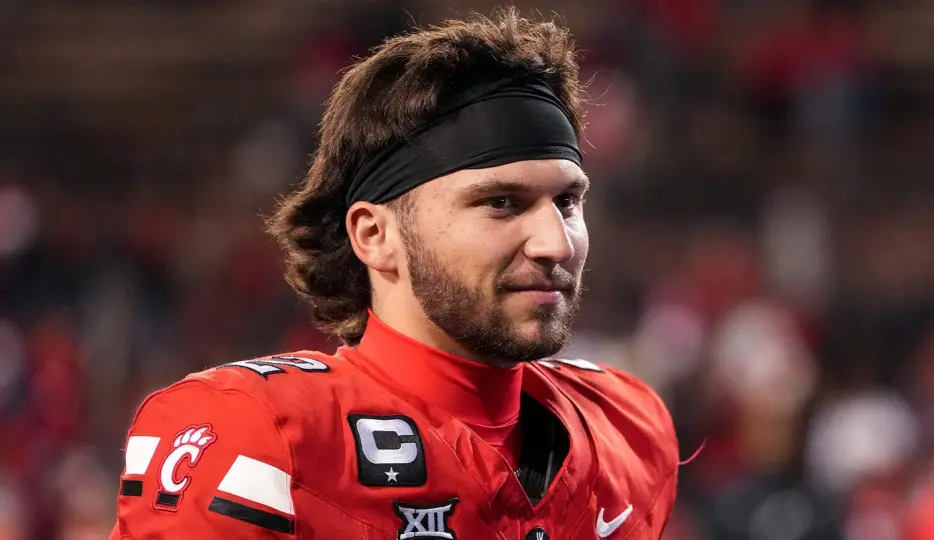
Former Texas Tech quarterback Brendan Sorsby has brought back a rare and obscure part of the NFL vocabulary: the supplemental draft. Sorsby, 22, has applied for the supplemental draft after gambling problems complicated his eligibility at Texas Tech. He had transferred there after two seasons at Indiana and two more at Cincinnati, but now will head to the NFL rather than play a final season of college football. Sorsby would have been a top draft prospect for 2027, having thrown for 27 touchdowns against just five interceptions last year at Cincinnati. Allegations of widespread gambling, including wagers placed on his own team, put his eligibility in jeopardy, and though a judge had granted an injunction allowing him to play the upcoming season, backlash from other schools led him to the NFL. So what exactly is the supplemental draft? How will it work for NFL teams considering adding Sorsby to their rosters? Here are the basics for the process, which will unfold over the next six weeks ahead of the start of NFL training camps. The NFL Supplemental Draft is intended for players who no longer have eligibility but were not eligible for the league's regular draft in April. It has become a rare phenomenon, with no players taken in a supplemental draft since safety Jalen Thompson was taken in the fifth round in 2019. Thompson, now with the Dallas Cowboys, is the only active NFL player taken in a supplemental draft. To take a player in a supplemental draft, an NFL team must be willing to give up a pick from the next year's draft. After evaluating a prospect, each team can submit a bid, using a 2027 draft pick, and the team submitting the highest pick gets the player, essentially using a pick from next year now. The player joins the team on a rookie contract commensurate with the same pick in this year's draft. To find a player most casual NFL fans would recognize from a supplemental draft, you have to go back 14 years to 2012, when Baylor receiver Josh Gordon was a supplemental second-round pick of the Cleveland Browns. He had been dismissed due to a positive marijuana test, and his NFL career was marked by similar violations. He had some success in Cleveland, highlighted by a 2013 season where he led the NFL with 1,646 receiving yards and made the Pro Bowl. He missed two entire seasons due to suspensions for violating the league's drug policies and totaled seven touchdowns in five seasons after his suspensions. Another recent example is Ohio State quarterback Terrelle Pryor, who entered the supplemental draft in 2011 after he and other teammates were accused of selling memorabilia. Facing a five-game suspension, Pryor withdrew from college and was taken by the Oakland Raiders in the third round of the supplemental draft. But the NFL also suspended him for five games at the start of his professional career. The precedent with Pryor shows why NFL teams may be hesitant to draft Sorsby,...