 Behind the Steel Curtain
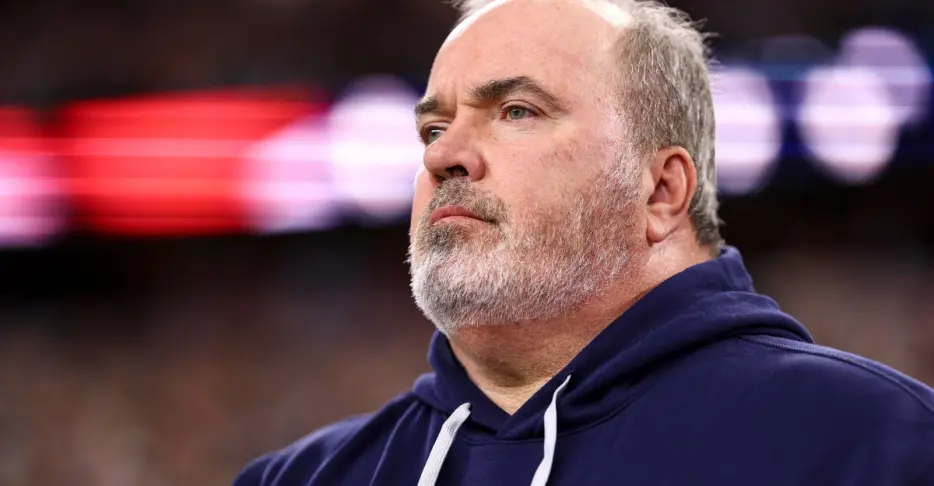
Heading into the 2026 season, no change or storyline holds more prominence for the Black and Gold than the switch made at head coach. After Mike Tomlin announced his resignation, the Steelers named Mike McCarthy as their new top man on January 24. McCarthy is just the third different head coach the Steelers have employed during the 21st century, and only the fourth since legendary coach Chuck Noll assumed the mantle in January of 1969.
A case could be made that McCarthy’s hiring was the same old same old for the Steelers – namely, a risk-averse team making the “safest” hire by tabbing a known commodity with local ties – but that certainly isn’t the only point of view. One could similarly argue that this hiring is the single biggest attempt at a philosophical shift in over half a century.
For the past 57 years, the Steelers’ identity has been rooted in defensive football. Sure, the offense may have outperformed the defense in any given year, especially during the “Killer B” era of the mid-2010s, but the organizational vision of what makes for “Steelers football” has stuck to a familiar blueprint. At their best, at least in the front office’s eyes, the Steelers aim to be a hard-nosed, suffocating defense. As beloved as Steelers legends like Franco Harris, Lynn Swann, John Stallworth, Mike Webster, and Terry Bradshaw are among the fanbase, there is a reason why the team’s nickname was The Steel Curtain during its golden era. The same was true during the Blitzburg era in the 90s, and it certainly wasn’t the Pittsburgh offense featured on magazine covers when the team was winning Super Bowls again in the early 2000s.
McCarthy, then, represents a significant shift. He’s the first truly offensive-minded coach the Steelers have employed during the Super Bowl era, at least in reputation. Noll was primarily a guard as a pro for the Browns, but he was also a linebacker in college, and he cut his coaching teeth coaching defensive lines and backfields while climbing the ranks. Likewise, Bill Cowher played linebacker and coached defensive backs before working his way up to coordinator and then head coach. Tomlin was a receiver at William & Mary, but he too found himself coaching defensive backs and coordinating defense before landing the gig in Pittsburgh.
So it’s no surprise that during his introductory press conference, McCarthy expressed his intention not to meddle too much with the defense. While some changes may occur, McCarthy is entrusting that oversight to new defensive coordinator Patrick Graham and the supporting coaching staff. Where McCarthy’s impact will be felt most – and the reason he was hired – is to overhaul an offense that has been largely stagnant and uninspiring this decade.
But how will he do so? What can Steelers fans expect to see from their new coach?
Finding that out is the goal of this series. In our previous entry, we took a look at some of the raw historical numbers of McCarthy...