 Total Pro Sports
ESPN’s Football Power Index has changed its Super Bowl 60 pick again. The update came after an eventful Saturday in the playoffs. Two divisional round games reshaped the postseason picture and forced the computer model to adjust.
The Denver Broncos beat the Buffalo Bills in a close overtime game. The Seattle Seahawks dominated the San Francisco 49ers in a blowout. Those wins sent Denver to the AFC Championship and Seattle to the NFC Championship.
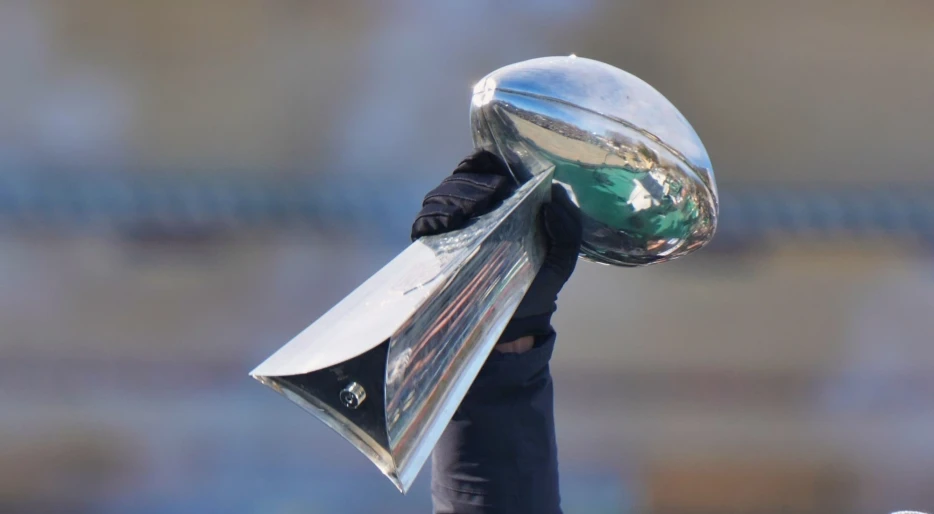
Just before this, the ESPN computers predicted that the Los Angeles Rams would lift the Lombardi Trophy in February.
But now, after the recent results, ESPN’s model updated its thought. It now predicts the Seahawks will win the Super Bowl. The model has Seattle beating the Houston Texans in Super Bowl 60.
ESPN’s Football Power Index relies on numbers, not feelings. The model runs 10,000 simulations of the rest of the season. It updates every day. It uses game results, team strength, and the remaining schedule to shape each forecast.
ESPN explains the system clearly***. “The Football Power Index (FPI) is a measure of team strength that is meant to be the best predictor of a team’s performance going forward for the rest of the season,”*** the network states. “FPI represents how many points above or below average a team is. Projected results are based on 10,000 simulations of the rest of the season using FPI, results to date, and the remaining schedule. Ratings and projections update daily.”
Seattle’s dominant win over San Francisco boosted its rating. The Seahawks looked good on both sides of the ball. The FPI model changed its opinion fast.
Denver’s win hurt them in another way. Quarterback Bo Nix broke his ankle late in overtime. He will miss the AFC Championship Game. That injury clearly lowered Denver’s chances.
The model no longer sees the Broncos as a Super Bowl favorite. That shift helps Houston, which now looks like the AFC team most likely to reach the big game.
So who wins Super Bowl 60? ESPN’s numbers say the Seahawks. The rest of the league now tries to prove them wrong.