 Pro Football Rumors
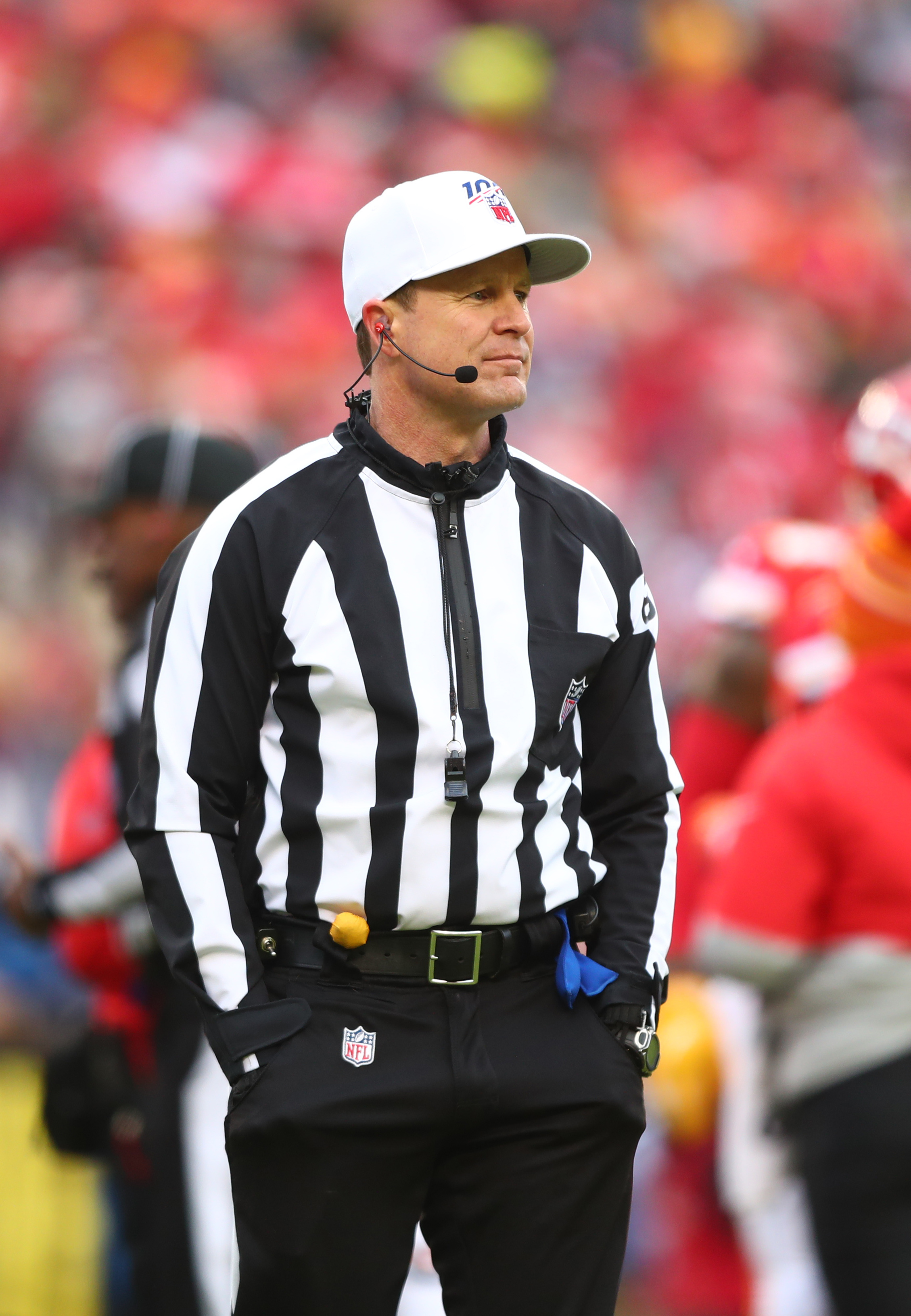
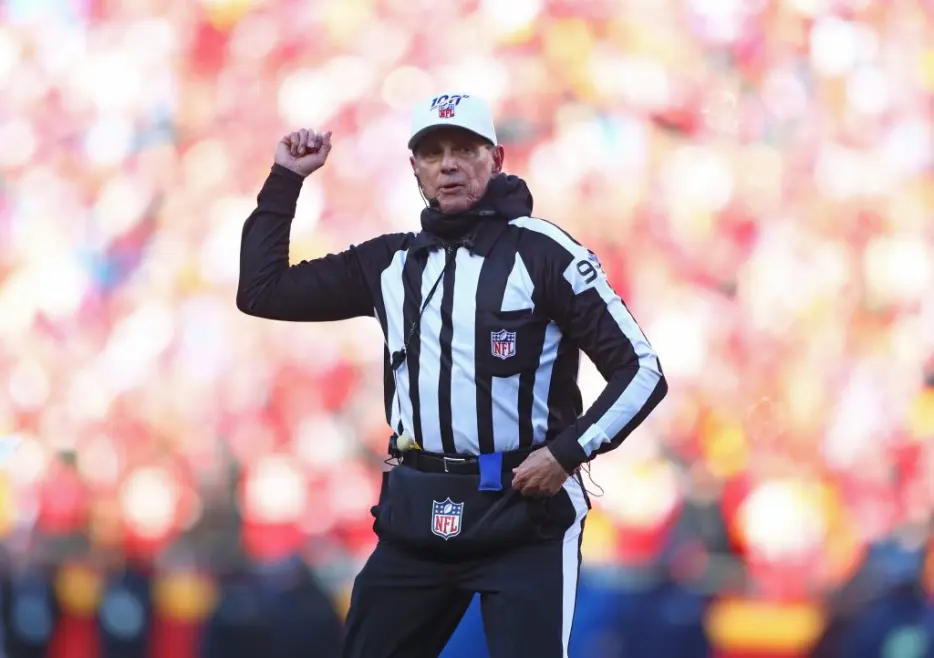
As the NFL worked to avoid a repeat of the 2012 NFL referee lockout, they met recently to come to an agreement on a new seven-year collective bargaining agreement with the NFL Referee’s Association. ESPN’s Kevin Seifert and Kalyn Kahler recently broke down the newly reached CBA to determine just how effective it might be versus how much of it may be “just window dressing.”
While both sides sought an overall goal of improving the on-field product, they seemed to be approaching that goal from different angles. The league often framed its officials as scapegoats, publicizing areas of focus that would improve referee competition and accountability. The NFLRA took offense to the notion that it didn’t want to improve and focused its efforts on improving the system that trains and analyzes its officials. The union accepted some merit-based concepts that would link compensation more with performance and less with longevity, and the league agreed to some practices that could better set officials up for success.
To start, the NFL shortened the NFLRA’s dark period — offseason down time — by two weeks, increasing opportunities for all officials to train and increasing the league’s access to lower-performing referee’s. The NFL has always been able to access low-performing referees during the dark period, but it would’ve been required to arrange compensation for them to earn additional pay for those hours of access. The two-week buffer applies to all officials, but those residing in Tiers 3 & 4 of the NFL’s evaluation system may be subject to a shorter or nonexistent dark period.
The four-tiered analysis system is also an improvement from the new CBA, increasing the tiered system from three pools to four. This effort was made to reduce the ambiguity of the three-tiered system that often saw playoff alternates somehow in the same tier as officials getting terminated for poor performance. The idea is to utilize the fourth tier to identify referees who struggled throughout the year and did not qualify for playoff assignments and help them to benefit from additional help.
Additionally, the two sides addressed the methods utilized to train officials outside the football season. The previously reached seven-year CBA from 2019 had a provision requiring the NFL and NFLRA to collaborate to create a training and evaluation program to be implemented the following year, but as the CBA expired in 2026, no such program had come into existence. NFLRA executive director Scott Green claimed the union attempted to work with the league early on, but former NFL vice president of officiating training and development Walt Anderson was reportedly not receptive to their efforts.
Per Green, Anderson’s successor, Ramon George, has been much more cooperative with intent to push the program forward since taking over two years ago. Some ideas in the new agreement have been viewed as likely effective improvements, but others have been met with skepticism. The new CBA codified 14 training dates into the extended offseason and introduced the potential for Tier 4 referees to be...