 Steelers Now
The Pittsburgh Steelers have unfortunately been stuck in the middle of the NFL landscape for a while now, but Mike McCarthy‘s experience and offensive-minded approach have sparked some optimism within the fanbase. As this franchise has found out the hard way, it’s increasingly difficult to vault back into contendership without a true franchise quarterback. Having said that, there are other notable areas in which they can improve that could create a pathway towards an upwards trajectory.
I wanted to revisit five of the team’s biggest issues from the final act of the Mike Tomlin era—what went wrong, and how the Steelers have attempted to remedy those dilemmas throughout the offseason thus far through schematic or personnel changes. On paper, Pittsburgh’s schedule is lighter on the front end before facing a gauntlet down the stretch, so these categories are things I’ll be monitoring early on to determine whether or not they can realistically compete with the top dogs of the AFC.
Statistically speaking, the Steelers’ defense took a step back across the board last season as they struggled to get off the field in high-leverage moments. They particularly struggled on third and medium (3-6 yards to go), finishing dead last in EPA/play (+0.44) and yards per play allowed (7.6) while giving up a league-leading nine touchdowns via NFL.com. These third and neutral situations are where play-calling battles are often won and lost, with Pittsburgh feeling particularly predictable to the point where they were neutralizing their own pass rush advantage.
The NFL is a zone-centric league, but there is an uptick in man coverage usage on third down, and the Steelers were no different in that regard. Opposing offenses didn’t have much success throwing in the direction of Joey Porter Jr., but quarterbacks were quick to hunt favorable matchups versus the other defensive backs on the field. Adding Jamel Dean as a complement on the boundary should provide them with a much-needed boost, but new defensive coordinator Patrick Graham could also make a big impact by infusing more of a disguised-based approach on the back end.
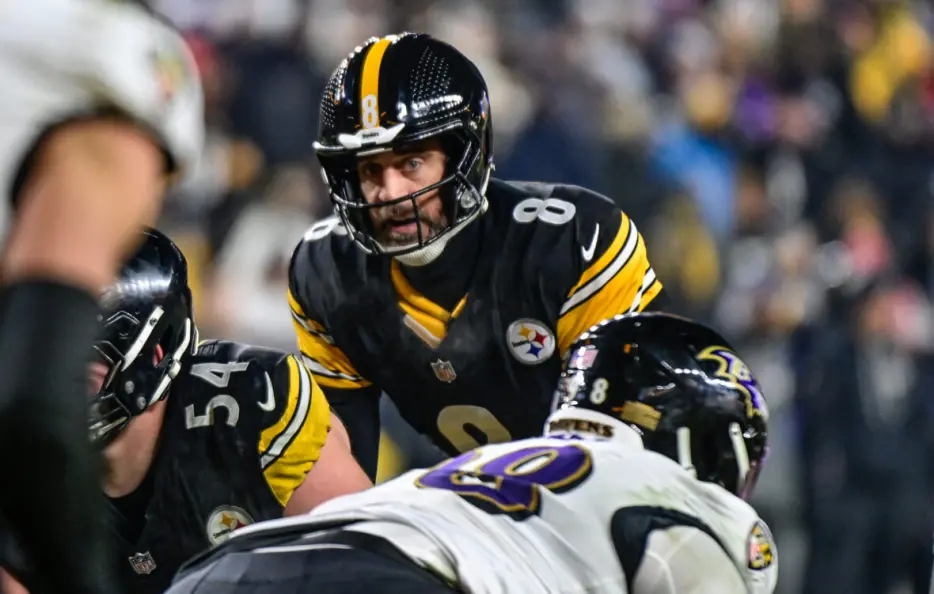
Only 14.3% of Aaron Rodgers‘ attempts last season traveled 10-19 air yards down the field, ranking last among qualifying passers according to PFF. The Steelers’ aerial attack was limited last year for a myriad of reasons, including quarterback play, a shortage of playmaking talent, and a glaring lack of offensive innovation, thus leading to a dink-and-dunk approach of historic proportions. Creating that vertical and horizontal stretch, forcing defenses to defend all three levels and the entire width of the field, is paramount for success, especially once the competition level rises in the postseason.
General manager Omar Khan was aggressive in upgrading the wide receiver room this spring, trading for Michael Pittman Jr. and drafting Germie Bernard in the second round, both of whom should be able to help the team improve in this regard. The former Colt hauled in 18 receptions over the middle in the range, two...