 ClutchPoints
The Seattle Seahawks enter the 2026 NFL season as defending champions, which means the spotlight will naturally fall on their biggest stars: Jaxon Smith-Njigba, Cooper Kupp, Leonard Williams, and Byron Murphy II. However, Seattle’s bid for a repeat title may also hinge on quieter contributors.
Jake Bobo and Derick Hall are two players who fit this description. Bobo’s size, blocking ability, and reliability provide the offense with a valuable complementary weapon, while Hall’s expanded role on the edge could become critical after changes in the pass-rush rotation.
Kupp’s return is significant, too. After winning another Super Bowl and facing questions about retirement, the veteran wide receiver has made it clear that he still loves playing. This keeps Seattle’s receiving corps experienced, competitive, and tough to crack.
The Seahawks find themselves in a better position than many teams when it comes to making roster decisions after minicamp. This is the reward for having built a championship roster, but it also presents challenges, and good teams don’t just cut anonymous camp bodies. They sometimes move on from players with skills, experience, or potential simply because the numbers do not work in their favor. Seattle’s roster is deep enough that the final spots for receiver, cornerback, linebacker, and special teams could become fiercely contested as training camp and preseason games approach.
While minicamp did not determine the 53-man roster, it did highlight how little room there may be for players without a defined role on game days. The official depth chart already shows several areas where the top of the roster feels relatively settled. At receiver, Kupp, Rashid Shaheed, Bobo, and Smith-Njigba make up the core. On defense, the Seahawks have significant pieces along the front, and the secondary has added young competition through the draft.
This leads us to two players who stand out as vulnerable after minicamp, not because they lack ability, but because Seattle’s competition may be too severe around them.
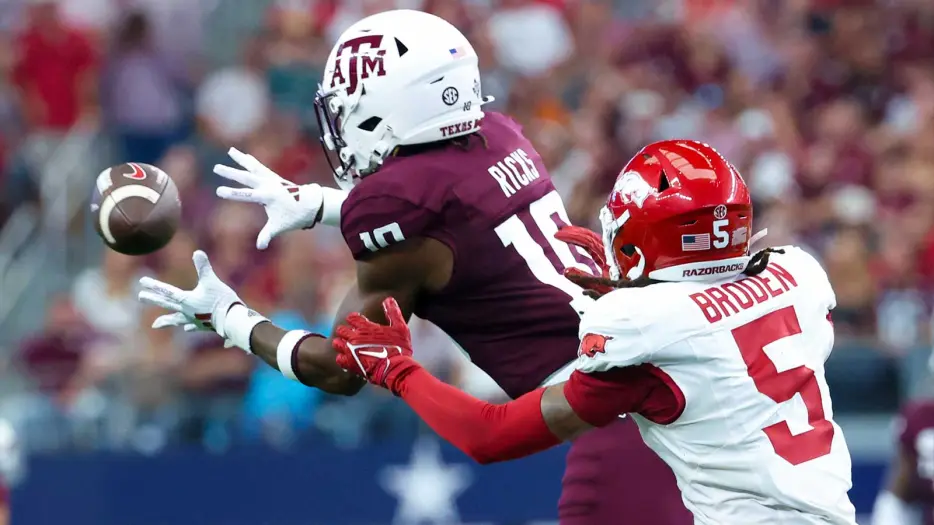
Tyrone Broden is one of the more interesting names on the roster due to his unique profile. At 6-foot-5, he has a frame that immediately draws attention, and a defensive back with this kind of length gives coaches something to work with, especially in a league where taller receivers can create matchup problems, but being intriguing is not the same as being secure in a roster spot.
The primary issue is that Seattle’s cornerback room has become crowded, and Broden’s prospects depend on whether the coaching staff views him as a unique developmental defender or just another body in a group with newer investments. Size is an advantage, but proving his value on special teams and showing consistent coverage will be crucial. Back-end corners rarely make the roster solely based on their physical attributes, as they must also excel in special teams, tackle effectively, endure preseason challenges, and demonstrate reliability if injuries require them to step in.
This is where the pressure begins. Seattle’s defense under Mike Macdonald values versatility, communication, and disguise, and a...